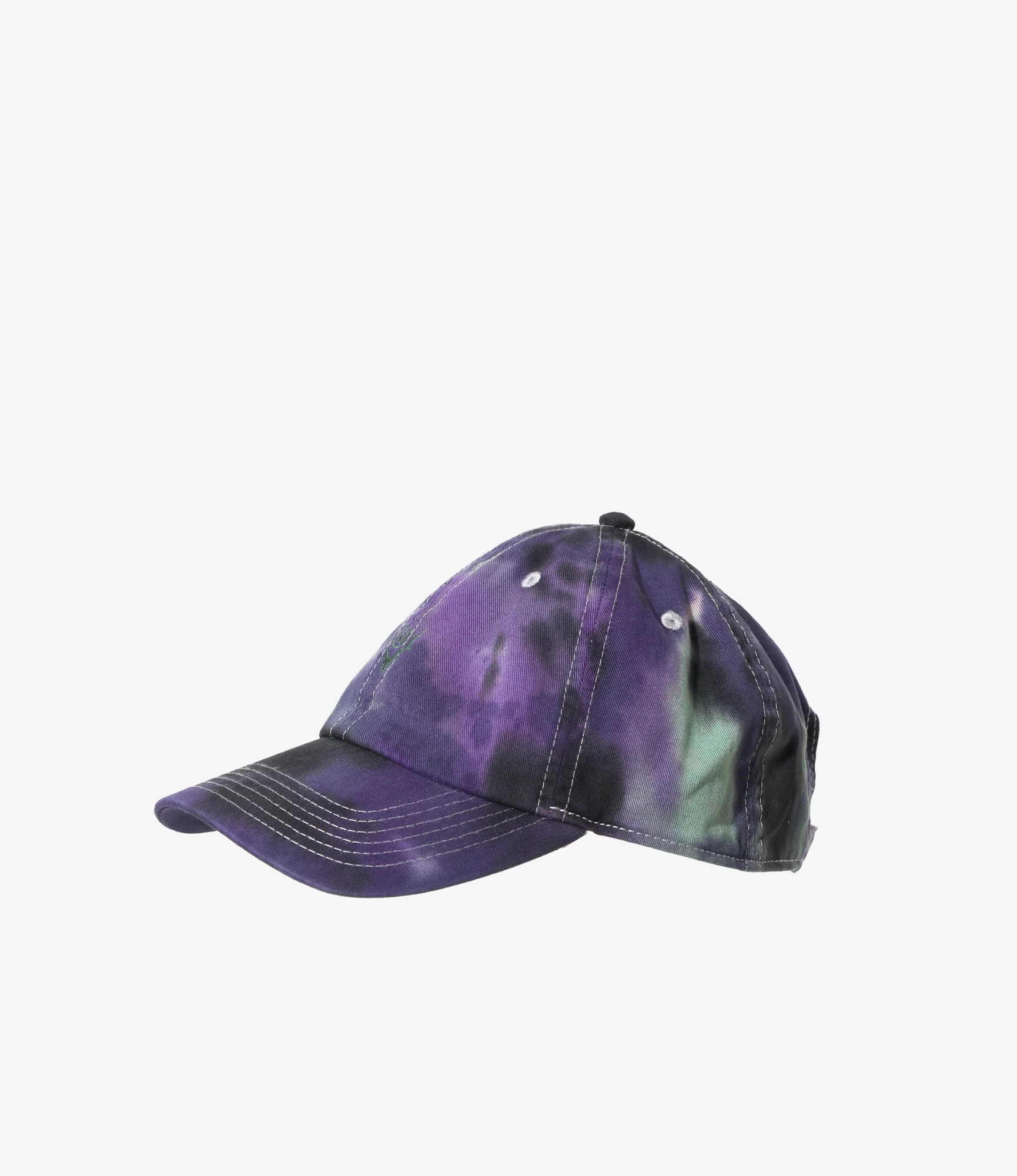
Strap Back Cap – Purple Tie Dye
The strap-back cap has its roots in early baseball and workwear hats from the late 19th and early 20th centuries, when adjustable sizing was necessary because standardised hat sizes were uncommon. These early caps often used leather straps, metal buckles, or fabric ties to ensure a comfortable fit for a wide range of wearers, prioritising function over style. Tie-dye is an ancient textile technique that dates back thousands of years. Early forms of resist dyeing developed independently in cultures such as India, Japan, China, Africa, and Peru, with techniques like India’s bandhani and Japan’s shibori creating intricate patterns on fabric. Introduced to the West through trade, tie-dye became widely popular in the 1960s–70s as a symbol of individuality, peace, and counterculture.
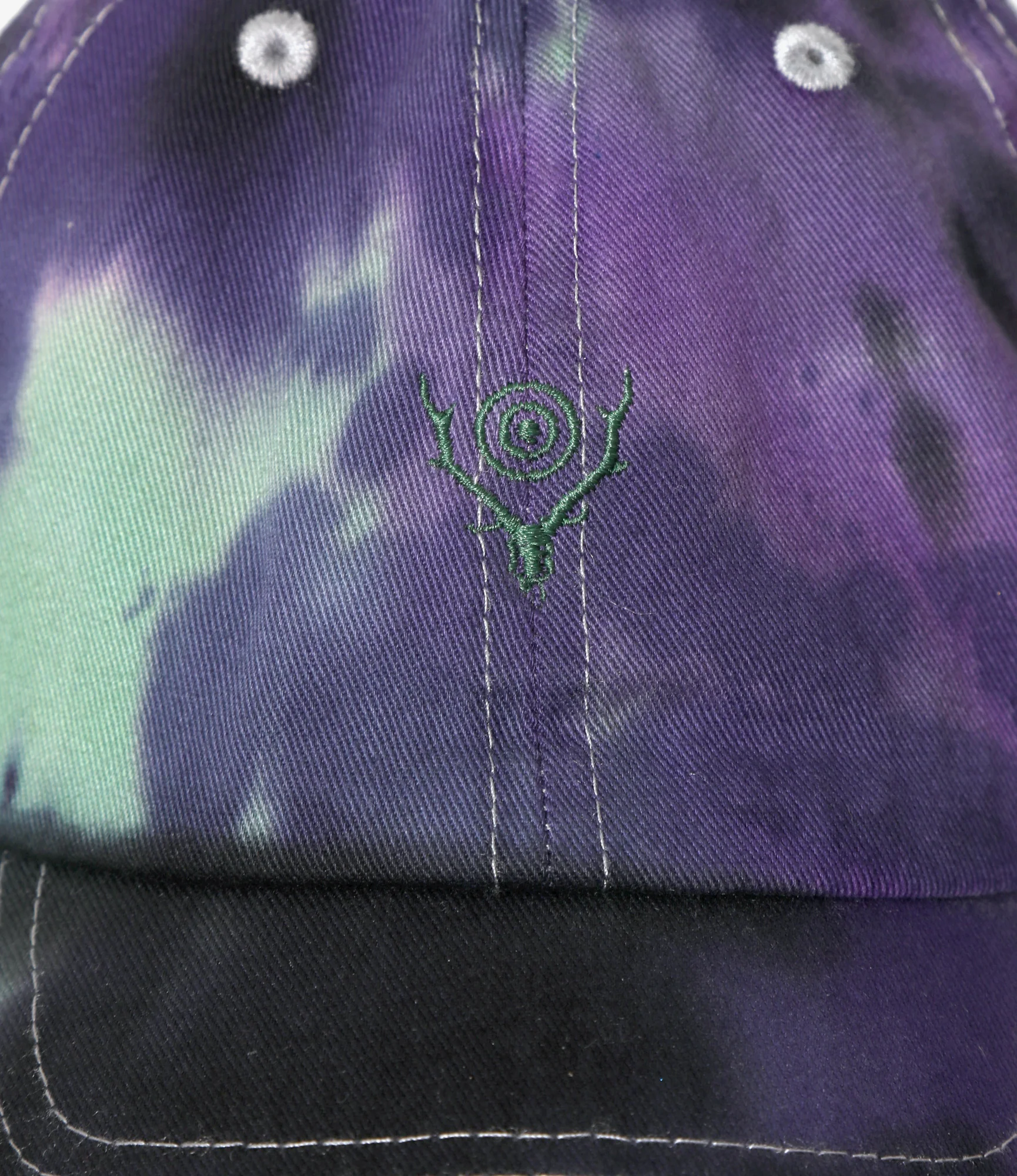
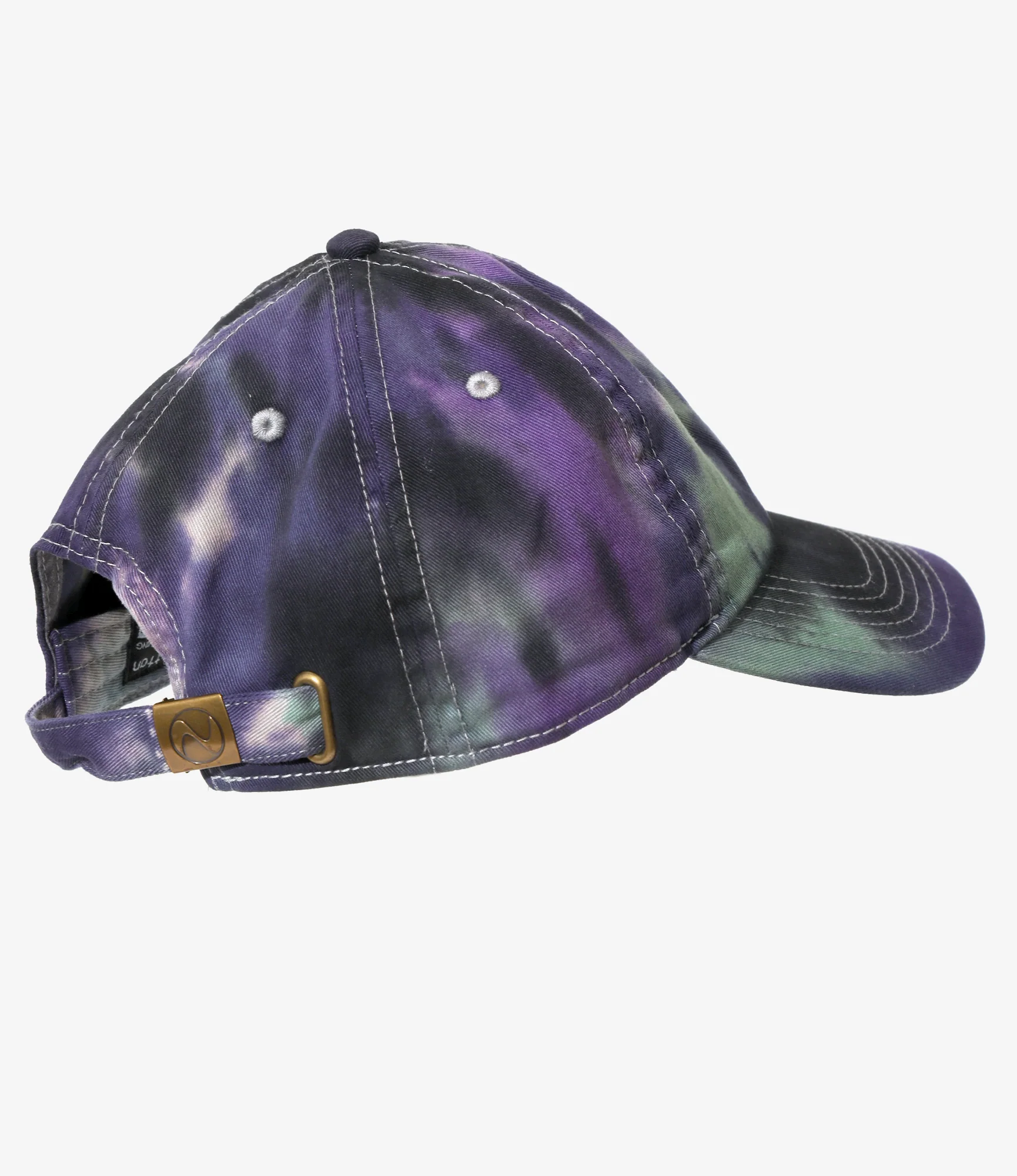
The South2 West8 caps follow this with their take on Tie Dye, with no two being the same.
Original: $218.31
-70%$218.31
$65.49More Images
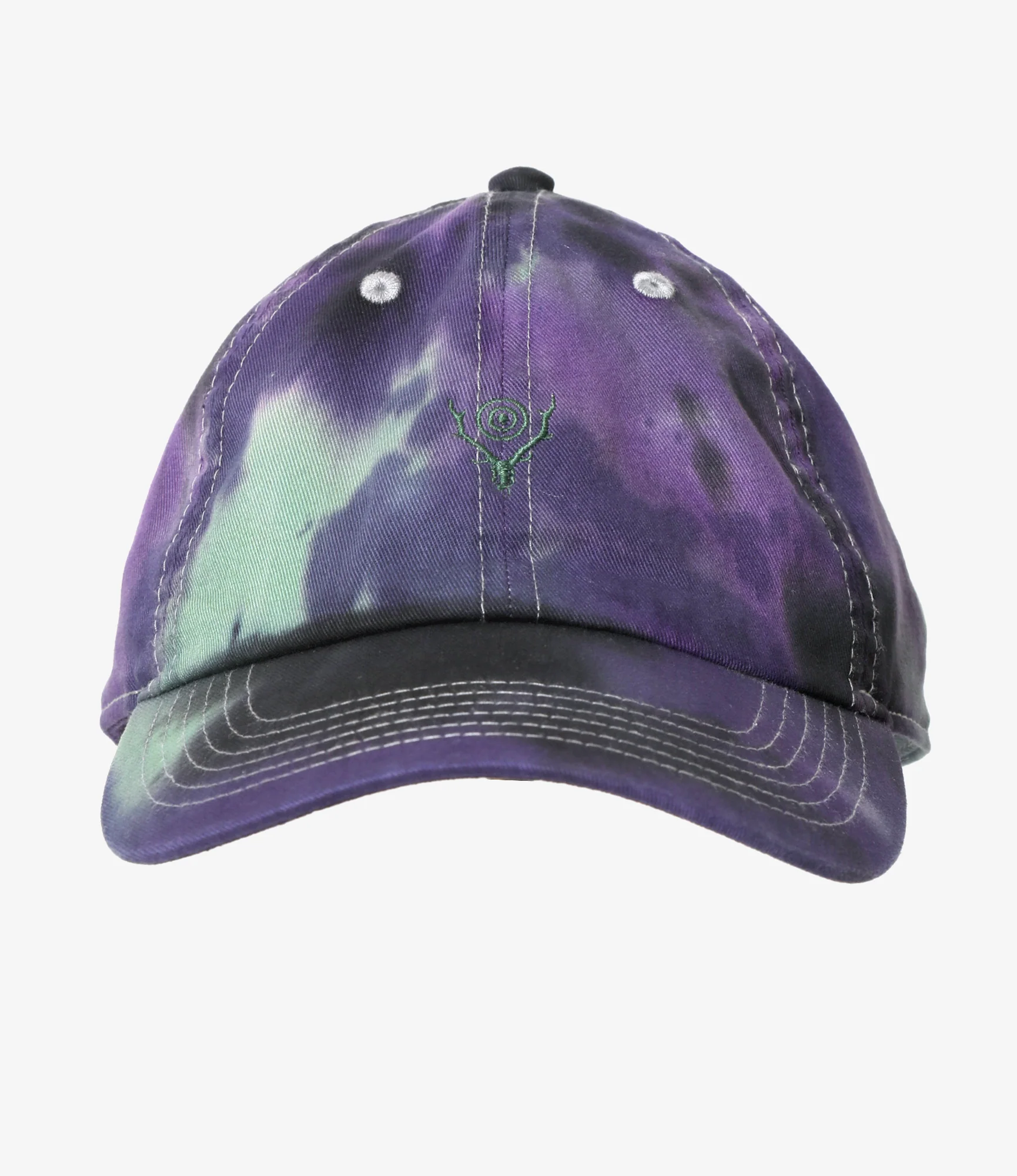
Strap Back Cap – Purple Tie Dye
The strap-back cap has its roots in early baseball and workwear hats from the late 19th and early 20th centuries, when adjustable sizing was necessary because standardised hat sizes were uncommon. These early caps often used leather straps, metal buckles, or fabric ties to ensure a comfortable fit for a wide range of wearers, prioritising function over style. Tie-dye is an ancient textile technique that dates back thousands of years. Early forms of resist dyeing developed independently in cultures such as India, Japan, China, Africa, and Peru, with techniques like India’s bandhani and Japan’s shibori creating intricate patterns on fabric. Introduced to the West through trade, tie-dye became widely popular in the 1960s–70s as a symbol of individuality, peace, and counterculture.
The South2 West8 caps follow this with their take on Tie Dye, with no two being the same.
Product Information
Product Information
Shipping & Returns
Shipping & Returns
Description
The strap-back cap has its roots in early baseball and workwear hats from the late 19th and early 20th centuries, when adjustable sizing was necessary because standardised hat sizes were uncommon. These early caps often used leather straps, metal buckles, or fabric ties to ensure a comfortable fit for a wide range of wearers, prioritising function over style. Tie-dye is an ancient textile technique that dates back thousands of years. Early forms of resist dyeing developed independently in cultures such as India, Japan, China, Africa, and Peru, with techniques like India’s bandhani and Japan’s shibori creating intricate patterns on fabric. Introduced to the West through trade, tie-dye became widely popular in the 1960s–70s as a symbol of individuality, peace, and counterculture.
The South2 West8 caps follow this with their take on Tie Dye, with no two being the same.